
chmod 644 Meaning: Safe File Permissions for Web Servers and Nginx
What does chmod 644 mean? Learn why 644 is the standard for web server files, how it prevents arbitrary file edits, and how to apply it across your site.
Practical writing for designers and developers: how color palettes hold together and why contrast rules exist, plus the everyday details of cron jobs, Unix time and file permissions that trip people up.
29 articles
What does chmod 644 mean? Learn why 644 is the standard for web server files, how it prevents arbitrary file edits, and how to apply it across your site.

Writing a cron job to run every 15 minutes is easy with */15. Here is how step values work, why top-of-the-hour spikes crash servers, and how to offset runs.

MD5 is famously broken for security, yet package managers and cloud buckets still use it for file checksums. Here is how collisions work and what to use today.

Why do some URLs encode spaces as %20 while forms use +? Here is why mixing them breaks API query strings and how to encode URLs correctly.
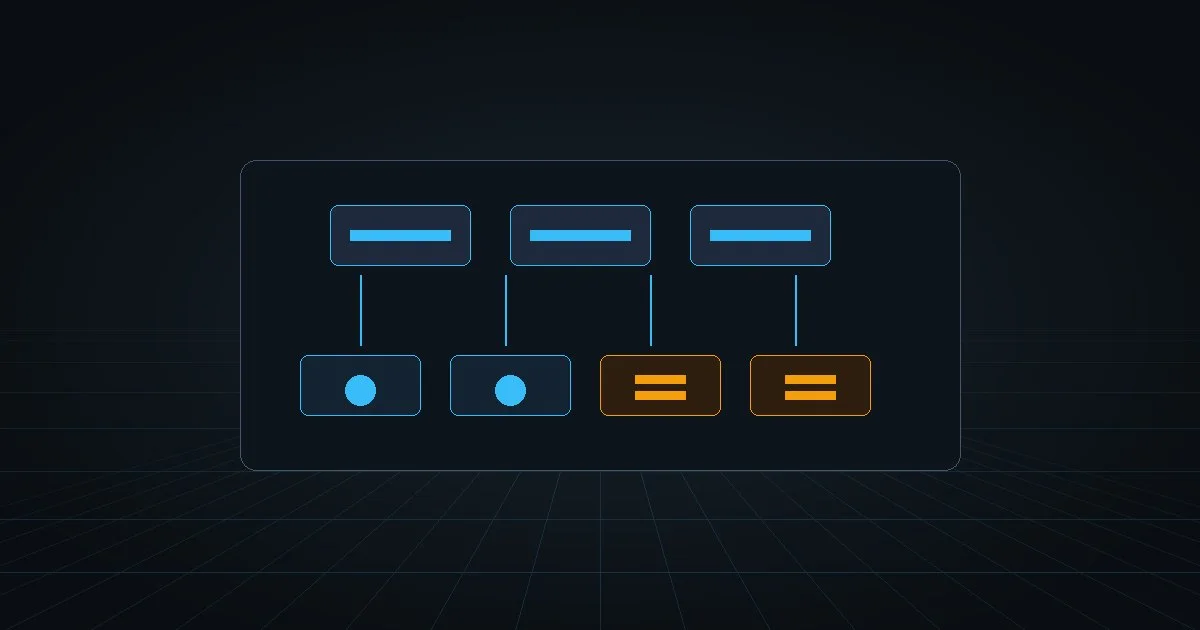
Ever wondered why Base64 strings end in equals signs? Here is how the 6-bit math works, why decoders need padding, and when you can safely strip it.

Running chmod 777 fixes permission errors fast, but it gives every user and process write access. Here is why web servers reject it and what to use instead.

Learn how to build a production color palette from hex. Generate a 50 to 950 tonal scale, mix brand-tinted neutrals, and verify accessible contrast.

SSH refuses to use a private key that other people could read. Here is exactly which permissions it wants, and how to set them on Linux, macOS, Windows and WSL.

What rwx really means, how numbers like 755 and 644 are built, when to reach for chown instead of chmod, and how to fix permission denied without resorting to 777.