
chmod 700 Meaning: What It Does and When to Use It
What does chmod 700 mean? Learn how Linux permission 700 works, why it locks out group and world, and when to use it on your private keys and scripts.
Practical guides to cron, Unix time, file permissions and the other everyday details that trip developers up.
15 articles
What does chmod 700 mean? Learn how Linux permission 700 works, why it locks out group and world, and when to use it on your private keys and scripts.
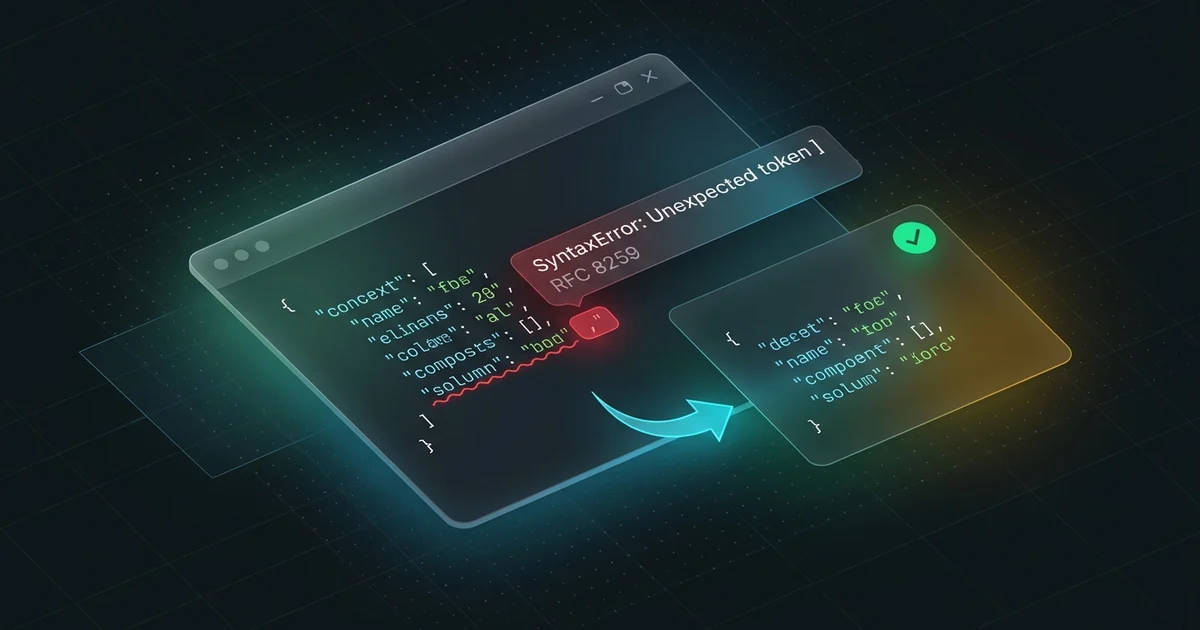
Fix the invalid JSON trailing comma error in seconds. Learn why JSON bans trailing commas, how parsers flag them, and how to strip them with regex.
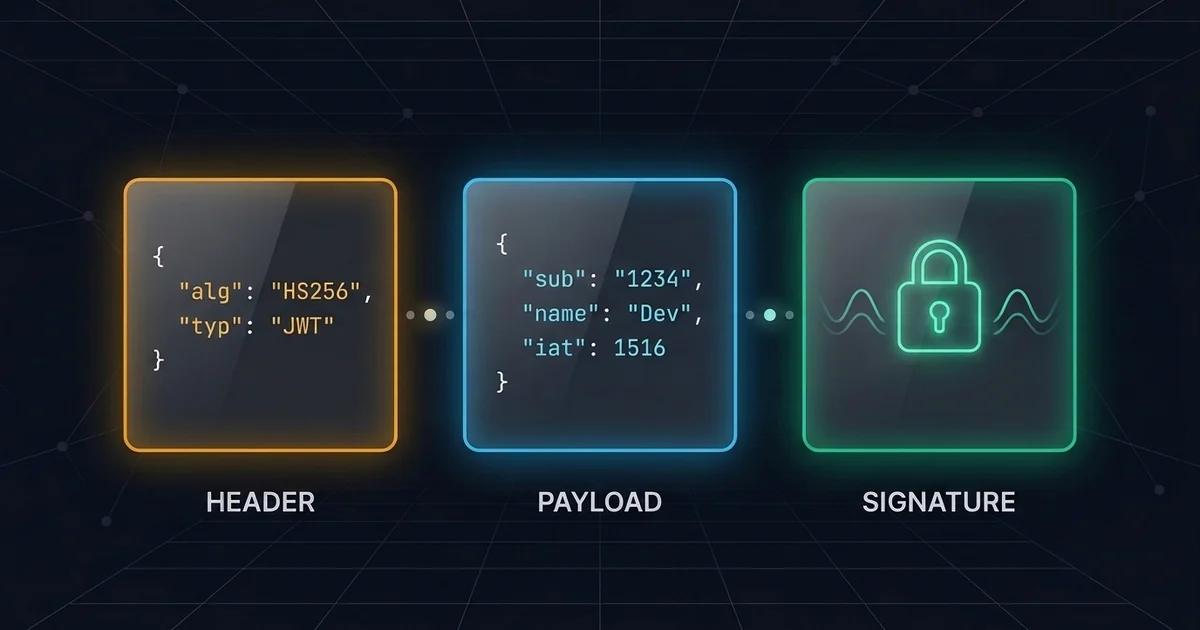
A JSON Web Token looks like an opaque string of gibberish, but it is just three Base64URL-encoded JSON objects joined by periods. Here is how JWTs actually work, how signatures verify integrity, and the five security traps that compromise production systems.

What does chmod 644 mean? Learn why 644 is the standard for web server files, how it prevents arbitrary file edits, and how to apply it across your site.

Writing a cron job to run every 15 minutes is easy with */15. Here is how step values work, why top-of-the-hour spikes crash servers, and how to offset runs.

MD5 is famously broken for security, yet package managers and cloud buckets still use it for file checksums. Here is how collisions work and what to use today.

Why do some URLs encode spaces as %20 while forms use +? Here is why mixing them breaks API query strings and how to encode URLs correctly.
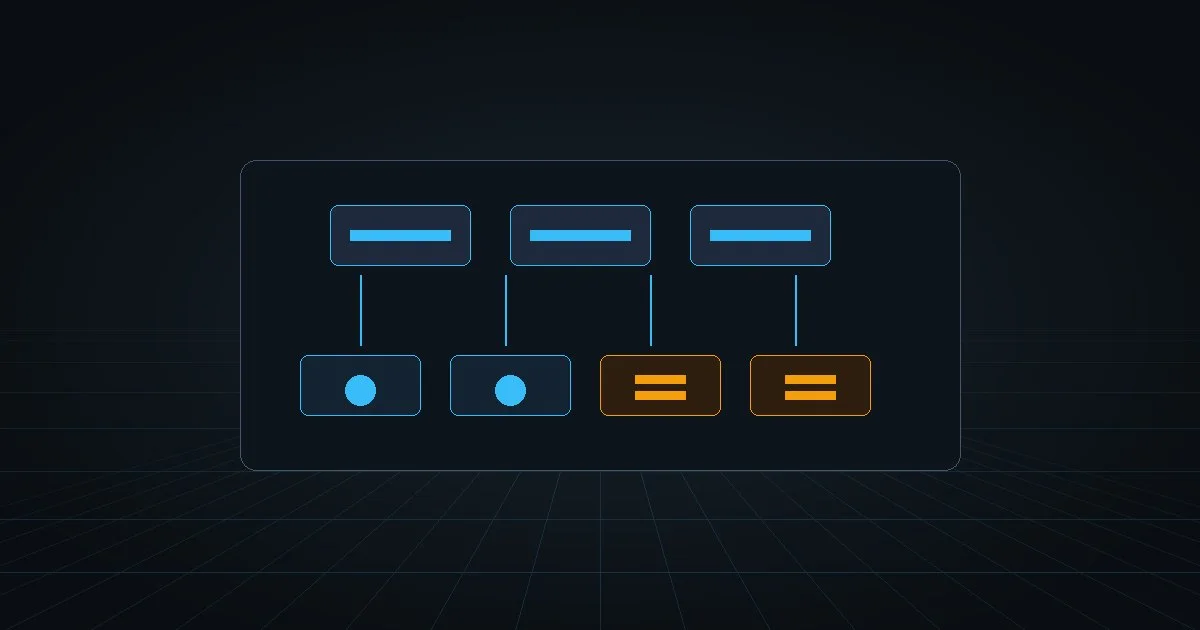
Ever wondered why Base64 strings end in equals signs? Here is how the 6-bit math works, why decoders need padding, and when you can safely strip it.

Running chmod 777 fixes permission errors fast, but it gives every user and process write access. Here is why web servers reject it and what to use instead.